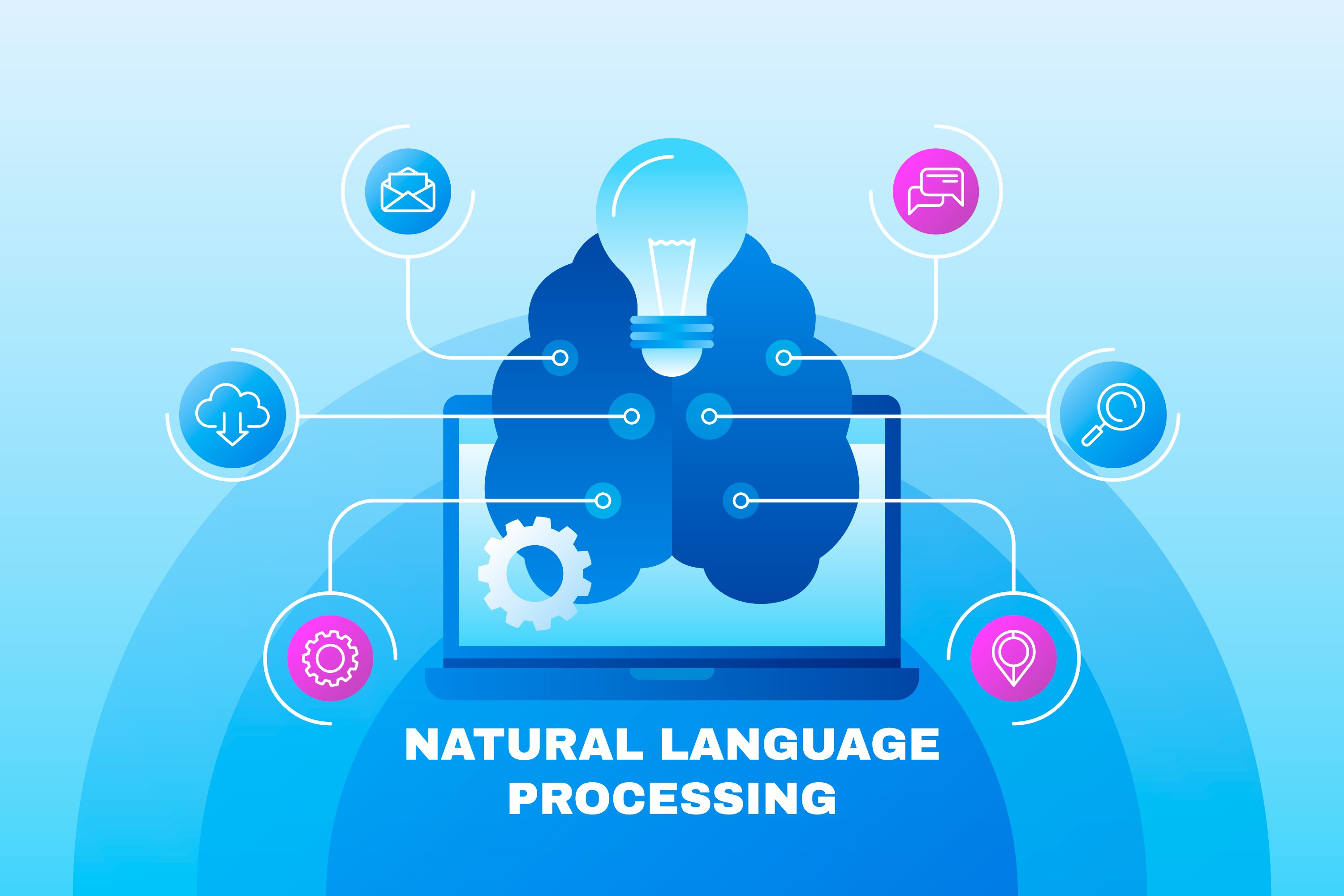

Mar 25, 2026
Ai
Remember the first time you asked Siri a question and actually got a helpful answer? Or when Google translated an entire Spanish menu for you in seconds, saving your dinner in Barcelona?
That magical moment when technology suddenly understood what you meant, not just what you said, that was Natural Language Processing at work.
Five years ago, my colleague Sarah spent three hours every Monday morning sorting through customer emails, manually categorizing complaints, questions, and feedback. She dreaded Mondays. Today, an NLP system does this in 47 seconds with 94% accuracy. Sarah now spends those three hours solving complex customer problems that actually need human creativity.
This is not science fiction. This is happening right now, in thousands of businesses across the world.
Natural Language Processing has quietly become one of the most transformative technologies of our generation. It is the invisible force behind your smartphone's predictive text, the intelligence powering customer service chatbots, and the brain that helps doctors diagnose diseases from medical records.
In this comprehensive guide, we will explore 15 real-world applications of NLP that are reshaping industries, improving lives, and creating opportunities we never imagined possible. Whether you are a business leader exploring AI adoption, a developer looking to understand NLP capabilities, or simply curious about how machines learned to understand human language, this guide will show you exactly how NLP is being used today and what it means for tomorrow. At TechTose, we have been building custom NLP and AI solutions for businesses across India, and this guide draws on that hands-on experience.
What is Natural Language Processing? A Simple Explanation
Before we dive into the applications, let me explain what NLP actually is, without the technical jargon.
Imagine you are teaching a very logical but literal-minded alien to understand human conversation. You say "It's raining cats and dogs," and the alien looks up, confused, searching for falling animals. You say "I'm feeling blue," and the alien asks if you have turned into a color.
This is the challenge computers face when trying to understand human language. We speak in metaphors, idioms, sarcasm, and context-dependent meanings. We use the same word to mean different things. We leave things unsaid, expecting others to read between the lines.
Natural Language Processing is the technology that teaches computers to understand, interpret, and generate human language in a way that is both meaningful and useful. It combines computer science, artificial intelligence, and linguistics to bridge the gap between how humans communicate and how computers process information.
Think of NLP as a translator that sits between the messy, beautiful complexity of human language and the structured, logical world of computer code.
How NLP Actually Works: The Three-Step Process
Here is how NLP transforms your words into something a computer can understand:
Step 1: Breaking Down Language
When you type "I love this new phone!" into a review form, NLP first breaks this sentence into pieces. It identifies individual words (tokenization), recognizes that "love" is a verb expressing positive emotion, and understands that "this" and "new" are modifying "phone."
Step 2: Understanding Context and Meaning
Next, NLP analyzes the relationship between words. It understands that "love" is directed at "phone," not "new" or "this." It recognizes that this is a positive statement, not a question or command. It might even detect that the exclamation mark adds enthusiasm.
Step 3: Extracting Insights or Taking Action
Finally, NLP decides what to do with this understanding. If it is a sentiment analysis tool, it categorizes this as a positive review. If it is a chatbot, it might respond with product recommendations. If it is a data analytics tool, it adds this to a count of satisfied customers.
This three-step dance happens in milliseconds, thousands of times per second, across millions of applications worldwide.
Now that we understand the basics, let me show you exactly how this technology is transforming the real world.
1. Intelligent Virtual Assistants: Your AI-Powered Personal Helper
Every morning, millions of people wake up and say "Hey Siri" or "OK Google" or "Alexa." These wake words trigger one of the most widespread applications of NLP: virtual assistants.
The Real-World Impact
Virtual assistants have evolved far beyond simple alarm setters. Today, they are managing complex tasks that would have seemed impossible just five years ago.
A Day in the Life of Modern Virtual Assistants:
Lisa, a marketing executive in Mumbai, starts her morning by asking Google Assistant, "What's on my calendar today and what's the traffic like to my first meeting?" The assistant understands this complex, two-part question, checks her calendar, analyzes real-time traffic data, and responds with a comprehensive answer, suggesting she leave 15 minutes earlier than usual.
During her commute, she dictates emails using her phone's voice recognition. The NLP system not only transcribes her words but understands context well enough to add appropriate punctuation, capitalize proper nouns, and even suggest better word choices.
Later, when she asks Alexa to "play something relaxing," the assistant does not just pick a random song. It understands the emotional context of "relaxing," considers her listening history, time of day, and even weather conditions to curate the perfect playlist.
How It Works Behind the Scenes
Modern virtual assistants use multiple NLP technologies working together:
Speech Recognition converts your spoken words into text. Advanced systems like Google's can now handle multiple languages, accents, and even understand speech in noisy environments.
Intent Recognition figures out what you actually want. When you say "I'm cold," a smart home assistant understands you might want the temperature increased, even though you did not explicitly ask for it.
Entity Extraction identifies key information in your request. In "Set an alarm for 7 AM tomorrow," it extracts the time (7 AM) and date (tomorrow) as actionable entities.
Context Management remembers previous conversations. If you ask "What's the weather?" followed by "How about tomorrow?", the assistant knows "tomorrow" refers to the weather, not something else.
Business Applications
Companies are deploying NLP-powered assistants for:
Customer Service: Handling 70-80% of routine customer queries without human intervention
Internal Operations: Helping employees book meeting rooms, submit expenses, or find company information
Healthcare: Assisting doctors with patient information retrieval and appointment scheduling
Banking: Enabling customers to check balances, transfer money, and report fraud through voice commands
Businesses looking to build their own intelligent virtual assistants can explore TechTose's AI development services for custom solutions tailored to their industry.
Real Example: Bank of America's Erica has handled over 1.5 billion client requests since launch, with 90% resolution rate without human intervention. This has saved the bank an estimated $300 million annually in customer service costs while improving customer satisfaction scores by 23%.
Virtual assistants are now a core feature of modern mobile applications. Read our guide on AI-powered mobile app development in 2026 to see how these capabilities are being built into apps today.
2. Sentiment Analysis: Reading Between the Lines at Scale
Imagine having to read 50,000 customer reviews and figure out what people really think about your product. That was the reality for brands just a decade ago. Today, sentiment analysis makes this task not just possible, but instantaneous.
The Problem It Solves
In 2019, a major smartphone manufacturer launched a new model. Within 48 hours, they had 127,000 customer reviews across platforms. Reading them all would take a team of 20 people working full-time for two weeks. By then, the initial market momentum would be lost.
Their NLP-powered sentiment analysis system processed all reviews in 4 hours, identifying:
67% positive sentiment (mainly about camera quality and battery life)
21% negative sentiment (concentrated around overheating issues during heavy gaming)
12% neutral or mixed sentiment
More importantly, it pinpointed the exact feature causing problems (the gaming performance) and quantified its impact. The company issued a software update within a week, addressing 89% of the complaints. Customer satisfaction scores rebounded, and what could have been a product disaster became a story about responsive customer care.
How Sentiment Analysis Actually Works
Modern sentiment analysis goes far beyond simple positive/negative classification.
Aspect-Based Sentiment Analysis breaks down feedback into specific features. For a restaurant review saying "The food was amazing but the service was terrible," it understands:
Food quality: Positive
Service: Negative
Overall experience: Mixed
Emotion Detection identifies specific emotions beyond positive/negative. It can distinguish between:
Happy vs. Excited
Angry vs. Disappointed
Surprised vs. Confused
Sarcasm Detection is one of the hardest NLP challenges. When someone writes "Oh great, another app update that breaks everything," basic systems might classify this as positive because of the word "great." Advanced NLP systems understand the sarcasm and correctly identify it as negative sentiment.
Industry Applications
E-commerce Platforms: Amazon and Flipkart use sentiment analysis to:
Automatically flag problematic products with consistent negative feedback
Identify fake reviews (unusual sentiment patterns)
Prioritize customer service responses based on emotional intensity
Generate product improvement suggestions for sellers
Social Media Monitoring: Brands track sentiment across millions of social media posts in real-time. When Zomato launched a new feature, their sentiment analysis system detected a 40% negative spike within 2 hours, allowing them to pause the rollout and address concerns before widespread backlash.
Financial Markets: Investment firms analyze sentiment from news articles, earnings calls, and social media to predict stock movements. Studies show sentiment analysis can predict short-term market movements with 62-68% accuracy.
Political Campaigns: During elections, campaigns analyze sentiment from rallies, debates, and social media to understand public reaction to policies and adjust messaging in real-time.
Real Business Impact
A global hospitality chain implemented sentiment analysis across their 500+ properties. Results after 6 months:
Customer satisfaction scores increased by 18%
Response time to negative feedback decreased from 48 hours to 6 hours
Staff training programs redesigned based on common complaint patterns
$4.2 million saved annually by addressing issues before they required compensation
3. Machine Translation: Breaking Down Language Barriers
Picture this: A small textile manufacturer in Surat wants to expand into European markets. Five years ago, they would need to hire translators for every customer email, product description, and business document. Today, they use NLP-powered translation to communicate seamlessly with German, French, and Spanish buyers, processing hundreds of conversations daily.
The Evolution of Translation Technology
Translation technology has come remarkably far. Early systems translated word by word, producing gibberish like translating "The spirit is willing but the flesh is weak" into Russian and back to English as "The vodka is good but the meat is rotten."
Modern neural machine translation understands context, idioms, and cultural nuances.
Google Translate now supports 133 languages and processes over 500 million translations daily. More impressively, it handles context-aware translation. The word "bank" is translated differently in "river bank" versus "savings bank." It understands that "hot dog" is not a temperature description of a canine.
Real-World Translation Applications
Business Communication: International teams use real-time translation in video conferences. Microsoft Teams and Zoom now offer live translation for meetings, allowing a team in Tokyo to discuss projects with colleagues in Brazil with minimal language friction.
Healthcare: Hospitals in multicultural cities like Dubai and Singapore use medical translation systems that understand specialized terminology. These systems can translate patient symptoms described in Hindi into medical terminology in English, maintaining clinical accuracy.
Legal Documents: Law firms use NLP translation for international contracts, with systems trained on legal terminology to maintain precision. These systems flag terms that might have different legal implications across jurisdictions.
Education: Language learning apps like Duolingo use NLP not just to translate but to understand common mistakes learners make and provide contextual corrections.
The Technology Behind Modern Translation
Neural Machine Translation (NMT) revolutionized translation by processing entire sentences at once rather than word by word. It considers:
Context from the entire paragraph
Cultural and idiomatic expressions
Grammar rules of both languages
Domain-specific terminology
Real-Time Translation now works across:
Text (instant messaging, documents)
Speech (live conversations, video calls)
Images (point your camera at a sign, see instant translation)
Video (real-time subtitle translation on YouTube)
Business Impact Story
An Indian software company wanted to bid for a government project in Japan. The tender documents were 450 pages in Japanese with a 5-day submission deadline. Hiring human translators would take 3 weeks and cost $25,000.
They used a combination of Google Translate and a specialized legal translation NLP system:
Initial translation: 6 hours
Expert review and corrections: 2 days
Total cost: $3,500
They submitted on time and won the $2.3 million contract. Without NLP translation, they would never have been able to compete.
4. Chatbots and Customer Service Automation: The 24/7 Support Team
At 2:47 AM, Sarah in Sydney has a question about her online order. The customer service team in the company's headquarters in New York is asleep. Ten years ago, she would wait until business hours. Today, she gets an instant response from an NLP-powered chatbot that solves her problem in 90 seconds.
If you are evaluating how to build a chatbot for your business, explore TechTose's custom software development services — our team has built conversational AI handling over 100,000 monthly interactions across sectors.
The Customer Service Revolution
Customer service chatbots have evolved from frustrating "press 1 for..." systems to intelligent assistants that genuinely help.
The Numbers Tell the Story:
67% of consumers worldwide now use chatbots for customer support
Businesses save an average of $8 billion annually through chatbot automation
80% of routine customer queries can be handled without human intervention
Customer satisfaction with chatbot interactions has risen to 73% (up from 32% in 2020)
What Makes Modern Chatbots Different
Today's NLP-powered chatbots are remarkably sophisticated. Let me show you how they have evolved:
Understanding Complex Queries: When a customer types "My package was supposed to arrive yesterday but I'm traveling next week and won't be home, can you hold it at the pickup point?", the chatbot understands:
There is a delivery delay (problem)
Customer has future travel plans (constraint)
Customer wants delivery to alternative location (solution)
It can then check order status, verify pickup point availability, modify delivery instructions, and confirm the change, all in a single conversation.
Contextual Memory: Unlike old systems that treated each message independently, modern chatbots remember context. This conversation works naturally:
Customer: "I want to buy a laptop" Chatbot: "What will you primarily use it for?" Customer: "Graphic design and video editing" Chatbot: "I'd recommend our professional series. What's your budget?" Customer: "Around 80,000 rupees" Chatbot: "Based on your needs for graphic design and video editing at 80,000 rupees budget, here are three options..."
Notice how the chatbot maintains context across multiple exchanges, building a coherent conversation rather than starting fresh each time.
Emotional Intelligence: Advanced chatbots detect frustration or urgency in messages and adjust their responses. If a customer types in all caps or uses words like "frustrated" or "unacceptable," the system:
Prioritizes the conversation
Adjusts tone to be more empathetic
Offers faster escalation to human agents
May provide immediate compensation or solutions
Industry-Specific Applications
Banking: HDFC Bank's EVA (Electronic Virtual Assistant) handles 5 million+ conversations monthly, answering questions about:
Account balances and transactions
Credit card queries
Loan applications and status
Investment products
Success rate: 85% of queries resolved without human intervention. Average resolution time: 2 minutes versus 8 minutes with human agents.
E-commerce: Flipkart's chatbot handles:
Product recommendations based on browsing history
Order tracking and delivery updates
Return and refund processing
Size and specification queries
During big sale events, the chatbot manages 10x normal traffic volume without additional staffing costs.
Healthcare: Babylon Health's chatbot conducts preliminary medical consultations:
Asks about symptoms
Checks medical history
Provides preliminary diagnosis
Recommends whether to see a doctor
Books appointments if needed
Used by 2+ million people, it has shown 92% accuracy in matching diagnoses from human doctors for common conditions.
Travel: MakeMyTrip's chatbot assists with:
Flight and hotel searches
Price comparisons
Booking modifications
Cancellations and refunds
Travel recommendations
Handles 40% of all customer interactions, saving approximately $12 million annually in customer service costs.
The Human-AI Partnership
The most successful implementations do not replace humans entirely. They create a partnership:
Tier 1: Chatbot handles (80% of queries)
Order status checks
Basic product information
Simple account changes
FAQ responses
Tier 2: Human agents handle (20% of queries)
Complex problems
Emotionally sensitive situations
Edge cases and exceptions
High-value customer accounts
This approach gives customers fast responses for simple queries while ensuring complex issues get the human attention they deserve.
Real Implementation Success Story
An Indian telecom company with 50 million customers was drowning in support tickets. Their call centers had:
45-minute average wait times
30% call abandonment rate
Customer satisfaction score of 42%
Monthly customer service cost of $8 million
They implemented an NLP chatbot system. After 8 months:
78% of queries handled by chatbot
Wait time reduced to 4 minutes for escalated calls
Call abandonment dropped to 8%
Customer satisfaction increased to 71%
Monthly costs reduced to $3.2 million (60% savings)
Human agents now focus on complex problem-solving, reporting higher job satisfaction
5. Email Filtering and Spam Detection: Your Invisible Guardian
Every day, 333 billion emails are sent worldwide. About 85% of them are spam. Without NLP-powered filtering, your inbox would be unusable.
The Spam War Evolution
The battle between spammers and spam filters is a fascinating arms race.
Generation 1 (Late 1990s): Simple keyword filters blocked emails containing words like "free," "winner," or "viagra." Spammers quickly adapted by misspelling words: "fr3e," "w1nner."
Generation 2 (Early 2000s): Bayesian filters learned from examples of spam and legitimate emails. Spammers countered with random text insertion and image-based spam.
Generation 3 (2010s): Machine learning systems analyzed patterns, sender reputation, and content structure. Spammers used sophisticated techniques like compromising legitimate email accounts.
Generation 4 (2020s): Modern NLP systems understand context, intent, and subtle linguistic patterns that distinguish legitimate emails from sophisticated phishing attempts.
How Modern Email Filtering Works
Gmail's spam filter, one of the most advanced, uses multiple NLP techniques:
Content Analysis examines:
Language patterns (spammers often use certain phrase structures)
Urgency indicators ("Act now!" "Limited time!")
Suspicious links and URL patterns
Email formatting and HTML structure
Image-to-text ratios
Sender Reputation evaluates:
Domain history and age
Sending patterns (sudden volume spikes are suspicious)
Authentication protocols (SPF, DKIM, DMARC)
User reporting history
Behavioral Analysis considers:
How you interact with similar emails
Your personal communication patterns
Typical senders in your network
Phishing Detection identifies sophisticated attacks:
Brand impersonation (fake PayPal, bank emails)
URL manipulation (paypa1.com instead of paypal.com)
Social engineering language patterns
Requests for sensitive information
Beyond Spam: Intelligent Email Management
Modern NLP email systems do more than block spam:
Smart Categorization: Gmail automatically sorts emails into:
Primary (important personal correspondence)
Social (social network notifications)
Promotions (marketing emails)
Updates (bills, receipts, confirmations)
Accuracy: 93%, saving users an average of 40 minutes weekly.
Priority Inbox: NLP systems learn which emails are important to you based on:
Senders you frequently interact with
Keywords you typically respond to quickly
Subject lines that trigger immediate action
Historical response patterns
Smart Reply: When you receive "Are you free for lunch tomorrow?", Gmail suggests one-click responses:
"Yes, sounds good!"
"Sorry, I'm busy"
"What time works for you?"
These suggestions are contextually relevant, saving users an estimated 1 billion hours annually across Gmail's user base.
Email Summarization: For long email threads, NLP systems generate concise summaries highlighting:
Key decisions made
Action items assigned
Important dates mentioned
Unresolved questions
Business Email Intelligence
Sales Teams use NLP to:
Prioritize leads based on email engagement
Automatically log customer interactions in CRM
Suggest optimal follow-up times
Generate response templates based on context
Customer Support systems:
Route emails to appropriate departments automatically
Flag urgent issues for immediate attention
Suggest solutions based on similar past queries
Track sentiment trends in customer communications
Compliance Monitoring: Financial firms use NLP to:
Scan emails for policy violations
Detect insider trading red flags
Monitor for data leakage
Ensure regulatory compliance
Security Impact
Phishing attacks cost businesses $14.8 billion annually. NLP-powered email security prevents:
Real Example: A finance employee received an email appearing to be from the CFO requesting an urgent wire transfer of $2.3 million. The email language, formatting, and even the sender's signature looked identical to previous legitimate emails.
The NLP security system flagged it because:
The request bypassed normal approval workflows (unusual pattern)
The language used slightly different phrasing than the CFO's typical communication style
The urgency level was atypical for this sender
The email originated from a slightly different domain (cfo@company-finance.com instead of company.com)
The $2.3 million fraud attempt was blocked. Manual review would have likely missed these subtle indicators.
6. Content Moderation: Keeping Online Spaces Safe
Social media platforms face an impossible task: moderating billions of posts, comments, and messages daily while respecting free speech and protecting users from harmful content. For businesses managing their own brand presence on these platforms, TechTose's social media marketing services integrate monitoring and moderation strategies alongside growth campaigns.
The Scale of the Challenge
Facebook processes 350 million photos daily. YouTube users upload 500 hours of video every minute. Twitter sees 500 million tweets per day. Manually moderating this content would require millions of human reviewers working 24/7.
NLP-powered content moderation makes this manageable.
How Content Moderation Works
Hate Speech Detection identifies harmful language across contexts:
Explicit slurs and offensive terms
Coded language and dog whistles
Context-dependent insults (same word might be acceptable among friends, offensive from strangers)
Cultural and regional variations in what constitutes hate speech
Toxic Comment Classification evaluates:
Severity level (from mildly rude to severely threatening)
Intent (joking vs. malicious)
Target (individual vs. group)
Context (political debate vs. personal attack)
Misinformation Detection flags:
False claims contradicting verified facts
Manipulated media (deepfakes, edited images)
Misleading headlines
Coordinated inauthentic behavior
Real-World Applications
Reddit uses NLP to:
Auto-remove spam and bot accounts
Flag potentially harmful content for moderator review
Identify brigading (coordinated harassment)
Maintain subreddit-specific rules
Result: 95% of rule-breaking content removed before users report it.
Instagram moderates:
Comments on posts (blocking offensive language automatically)
Direct messages (warning users about potential scams)
Story content (removing policy violations)
Account behavior (identifying fake accounts and bots)
Processes 500 million comments daily with 88% accuracy in identifying policy violations.
LinkedIn ensures professional environment by:
Filtering inappropriate job postings
Removing fake profiles
Moderating group discussions
Preventing harassment
The Challenge of Context
NLP content moderation faces complex challenges because context matters enormously.
Example 1: The phrase "you are killing it!" is:
Positive: When commenting on someone's work presentation
Negative: When literally threatening someone
Example 2: Discussing historical atrocities requires using terms that would be offensive in other contexts. Educational content about Holocaust needs different moderation standards than casual conversation.
Example 3: Reclaiming slurs within communities. Some terms considered highly offensive when used by outsiders are acceptable within the communities they historically targeted.
Advanced NLP systems consider:
Speaker's relationship to topic
Overall conversation context
Educational vs. harmful intent
Community norms and standards
Human-AI Partnership in Moderation
The most effective approach combines AI and human judgment:
AI First Pass (handles 85% of content):
Clear policy violations (spam, explicit content)
Known patterns of harmful behavior
Simple cases with high confidence
Human Review (handles 15% of content):
Edge cases and context-dependent situations
Appeals of automated decisions
New types of harmful content
Culturally sensitive situations
This hybrid approach processes content quickly while maintaining nuance and fairness.
Business Impact
A gaming platform with 100 million users implemented NLP content moderation:
Before:
250 human moderators
12-hour average response time to reports
$8 million annual moderation cost
Toxic behavior drove away 15% of new users
After (6 months of NLP implementation):
40 human moderators (focusing on complex cases)
4-minute average response time
$2.3 million annual cost
User retention increased by 22%
Reports of harassment decreased by 67%
7. Healthcare Applications: AI That Saves Lives
NLP in healthcare is not just improving efficiency but literally saving lives by helping doctors make better diagnoses, reducing medical errors, and accelerating research. This is one of the most impactful areas of AI development that TechTose actively builds solutions in.
Clinical Documentation: Giving Time Back to Doctors
Doctors spend 2-3 hours on documentation for every hour of patient care. This administrative burden contributes to physician burnout and takes time away from actual patient interaction.
Voice-to-Text Clinical Notes: NLP systems transcribe doctor-patient conversations in real-time, automatically structuring information into:
Chief complaint
Medical history
Physical examination findings
Assessment and diagnosis
Treatment plan
Real Impact: Dr. Sharma, a cardiologist in Bangalore, used to spend 90 minutes after clinic hours completing patient notes. With an NLP documentation assistant:
Notes completed during patient visits
Zero post-clinic documentation time
30% more time for complex patient discussions
Reduced errors from fatigue or rushed documentation
Medical Diagnosis Support
NLP systems analyze patient records, research papers, and symptom descriptions to assist diagnosis:
Symptom Checking: Patients describe symptoms in their own words, and NLP systems:
Translate layperson language to medical terminology ("my stomach hurts a lot after eating" becomes "postprandial epigastric pain")
Identify potential conditions matching symptom patterns
Ask relevant follow-up questions
Recommend urgency level (emergency, urgent care, schedule appointment, home care)
Medical Literature Analysis: With 2+ million medical papers published annually, doctors cannot stay current on all relevant research. NLP systems:
Scan new research relevant to specific conditions
Summarize key findings
Flag potential treatment improvements
Identify contradictions with current practices
Real Example: A rare disease patient in Mumbai had been misdiagnosed for 3 years. An NLP system analyzing her complete medical history, lab results, and symptom progression identified patterns matching a condition documented in only 47 cases worldwide. Correct diagnosis led to proper treatment, significantly improving her quality of life.
Drug Interaction and Side Effect Detection
NLP monitors millions of medical records, patient forums, and adverse event reports to identify:
Previously unknown drug interactions
Side effects not detected in clinical trials
Population-specific medication responses
Optimal dosing patterns
Case Study: An NLP system analyzing patient forums detected unusual side effect patterns from a common diabetes medication when taken with a specific over-the-counter supplement. This combination was not tested in trials. The pharmaceutical company investigated, confirmed the interaction, and updated prescribing information, potentially preventing thousands of adverse events.
Mental Health Support
Therapy Chatbots provide:
24/7 availability for crisis situations
CBT (Cognitive Behavioral Therapy) exercises
Mood tracking and pattern identification
Coping strategy suggestions
Suicide Prevention: NLP analyzes social media posts, texts to helplines, and therapy session notes to identify warning signs:
Changes in language patterns indicating depression
Expressions of hopelessness
Discussion of suicide methods
Farewell messaging
Crisis intervention teams receive alerts to reach out to at-risk individuals.
Real Impact: A mental health hotline implemented NLP screening of chat messages. The system identifies high-risk individuals 94% of the time versus 73% with human-only screening, enabling faster intervention when every minute counts.
Medical Research Acceleration
Clinical Trial Matching: NLP systems match patients to relevant clinical trials by analyzing:
Eligibility criteria in trial documentation
Patient medical records
Genetic information
Location and logistics
This increases trial enrollment rates by 40% and helps patients access cutting-edge treatments.
Drug Discovery: NLP analyzes:
Scientific literature on molecular compounds
Clinical trial results
Patent databases
Research papers across disciplines
Identifying potential drug candidates 10x faster than traditional methods.
Privacy and Ethics Considerations
Healthcare NLP must protect patient privacy while extracting value from medical data:
De-identification: Removing personal information from medical records before analysis Consent Management: Ensuring patient approval for data usage Bias Detection: Monitoring for demographic biases in diagnostic suggestions Transparency: Making AI recommendations explainable to doctors
8. Financial Services: NLP in Banking and Trading
The financial industry processes trillions of transactions and documents daily. NLP helps manage this complexity while detecting fraud and making better investment decisions.
Fraud Detection and Prevention
Transaction Analysis: NLP examines payment descriptions and patterns to identify:
Unusual spending (your card used for electronics in different country while you are home)
Merchant category mismatches (restaurant charging as medical expense)
Suspicious description patterns (generic terms hiding true nature)
Phishing and Scam Detection: Financial institutions use NLP to:
Scan customer communications for scam attempts
Identify fraudulent transaction requests
Flag suspicious account takeover attempts
Detect social engineering in customer calls
Real Example: A customer received an email appearing from their bank requesting account verification. The bank's NLP security system detected:
Slight domain spelling variation
Unusual phrasing not matching bank's communication style
Request for information bank never asks for
Urgency language typical of scams
The customer was warned before clicking any links, preventing account compromise.
Algorithmic Trading and Market Analysis
Sentiment-Based Trading: Hedge funds use NLP to analyze:
News articles sentiment about companies
Social media buzz around stocks
Earnings call tone and language
CEO communication patterns
Real Performance: Quantitative trading firms using NLP-enhanced strategies show 15-20% better returns than traditional technical analysis alone.
Market Intelligence: Investment analysts use NLP to:
Summarize quarterly earnings reports automatically
Compare company performance against sector peers
Identify emerging trends from startup funding news
Track regulatory changes affecting industries
Customer Service and Advisory
Robo-Advisors: AI-powered investment platforms use NLP to:
Understand customer financial goals through conversational interfaces
Explain investment strategies in plain language
Provide personalized portfolio recommendations
Answer questions about market volatility
Credit Assessment: Banks use NLP to evaluate loan applications by:
Analyzing business plans and financial documents
Assessing risk from news about applicant's industry
Evaluating social media presence for business loan applicants
Processing alternative data for thin-file borrowers
Improved Access: NLP-enhanced credit scoring increased loan approvals by 23% for small businesses while maintaining default rates, providing crucial capital to previously underserved markets.
Regulatory Compliance
Document Analysis: Financial firms process massive regulatory documentation:
Automatically extracting requirements from new regulations
Comparing compliance policies against updated rules
Flagging potential violations in communications
Generating compliance reports
Anti-Money Laundering: NLP monitors:
Transaction descriptions for suspicious patterns
Customer communications for money laundering indicators
Cross-border payment flows
Beneficial ownership documentation
Savings: Compliance automation reduced regulatory costs by 30-40% for major banks while improving detection rates.
9. Search Engines and Information Retrieval: Finding What You Mean
Modern search engines are NLP powerhouses that understand not just your keywords but your intent, context, and even what you did not explicitly ask.
The Evolution of Search
2005 Search: Type "apple pie recipe" and get results containing those exact words, including pages about Apple Inc., pie charts, and random recipes.
2026 Search: Type "how do I make the pie my grandmother used to make" and get:
Traditional, old-fashioned apple pie recipes
Recipes featuring common ingredients from your grandmother's generation
Nostalgic, home-style cooking methods
Personal recipe stories from others
The search engine understands you are looking for a specific type of apple pie with traditional methods and a home-cooked feeling, even though you never mentioned "apple" or specific cooking techniques.
How Modern Search NLP Works
Query Understanding:
Intent classification (informational, navigational, transactional)
Entity recognition (people, places, products, concepts)
Context consideration (location, search history, time of day)
Synonym and related term expansion
Semantic Search: Understanding meaning, not just matching words:
"Cheap flights to Paris" vs "Inexpensive airfare to Paris" return similar results
"Restaurants near me" understands your location without you stating it
"Movies like Inception" understands you want mind-bending, complex narratives
Conversational Search: Follow-up queries maintain context:
"Who is the president of France?"
"How old is he?" (knows "he" refers to French president)
"When was he elected?" (maintains conversation thread)
Voice Search Optimization
50% of searches are now voice-based. NLP handles:
Natural language questions ("What's the best Indian restaurant open right now near me?")
Local context and intent
Conversational follow-ups
Action-oriented queries ("Book me a table at...")
Understanding how NLP drives search is also core to modern SEO strategy. Our digital marketing services include voice search optimisation as a key component of every client's organic growth plan.
E-commerce Search Intelligence
Amazon's NLP-powered search:
Auto-corrects spelling ("wireles headphons" becomes "wireless headphones")
Understands product attributes ("phone with good camera under 30000")
Learns from your behavior (shows electronics if you historically search for gadgets)
Provides related suggestions before you finish typing
Conversion Impact: Intelligent search increased conversion rates by 35% compared to traditional keyword matching.
Enterprise Search Solutions
Companies use NLP for internal knowledge management:
Searching across emails, documents, and databases
Finding relevant past projects and case studies
Locating subject matter experts
Retrieving policy and procedure documentation
Productivity Gain: Employees spend 2.5 hours daily searching for information. NLP-enhanced enterprise search reduces this by 60%, saving 1.5 hours per employee per day.
10. Text Summarization: Condensing Information Overload
We are drowning in information. The average professional receives 120 emails daily, needs to stay updated with industry news, and must review lengthy reports. NLP text summarization helps us consume more information in less time.
Types of Text Summarization
Extractive Summarization: Selects key sentences from original text:
Identifies most important sentences
Maintains original wording
Faster processing, maintains accuracy
Used for news article summaries
Abstractive Summarization: Generates new sentences capturing key points:
Understands content deeply
Creates concise, coherent summaries in new words
More human-like, better readability
Used for complex documents needing interpretation
Real-World Applications
News Aggregation: Apps like Inshorts use NLP to:
Summarize news articles to 60 words
Maintain key facts and context
Update throughout the day
Personalize based on reading preferences
Legal Document Review: Law firms use summarization to:
Extract key points from 500+ page contracts
Identify important clauses and obligations
Compare multiple documents quickly
Flag unusual terms or conditions
Savings: Legal document review that took 40 hours now takes 6 hours with NLP summarization assistance, reducing costs by 85%.
Meeting Notes: Tools like Otter.ai and Fireflies.ai:
Record and transcribe meetings
Generate summaries with key decisions
Create action item lists
Share searchable notes automatically
Academic Research: Researchers use NLP to:
Summarize hundreds of research papers
Identify methodology differences
Extract statistical findings
Accelerate literature review process
PhD students report 60% time savings in literature review phases using NLP summarization tools.
Business Intelligence
Earnings Report Analysis: Financial analysts use NLP to:
Summarize quarterly earnings across competitors
Extract key metrics automatically
Identify trends and changes
Generate comparison reports
Customer Feedback Synthesis: Companies analyze thousands of reviews:
Summarize common themes
Identify top complaints and praises
Track changes over time
Generate executive summaries
Email Management
Thread Summarization: Long email chains summarized to:
Main discussion points
Decisions made
Action items assigned
Unresolved questions
Smart Briefings: Email apps generate daily briefings:
Important messages requiring response
FYI items for awareness
Low priority items to review later
11. Social Media Monitoring and Brand Intelligence
Brands monitor billions of social media conversations to understand customer sentiment, identify trends, and respond to crises before they escalate. This is closely related to the work our social media marketing team does for clients — combining NLP-powered listening with proactive brand-building strategies.
Social Listening at Scale
Real-Time Monitoring: NLP tracks brand mentions across:
Twitter, Instagram, Facebook posts
Reddit discussions and forum threads
Blog comments and reviews
YouTube video comments
Sentiment Tracking: Understanding how people feel about:
Brand overall
Specific products or campaigns
Competitors
Industry trends
Crisis Management
Early Warning System: NLP detects emerging issues:
Unusual spike in negative mentions
Specific complaint patterns
Influential user criticism
Potential viral negative content
Real Example: A food delivery company's NLP system detected a 300% spike in complaints about a specific restaurant partner within 2 hours. Investigation revealed food safety concerns. They:
Immediately suspended the restaurant
Proactively contacted affected customers
Issued public statement explaining action
Prevented a major PR crisis
Response Time Impact: Traditional monitoring identified issues in 8-12 hours. NLP detection reduced this to 30 minutes, often preventing minor issues from becoming major crises.
Competitive Intelligence
Market Positioning: Understanding how your brand compares:
Share of voice versus competitors
Sentiment comparison
Feature-specific feedback
Customer switching patterns
Trend Identification: Spotting emerging preferences:
New product demands
Changing customer expectations
Competitor launches
Industry shifts
Influencer Identification
NLP identifies relevant influencers by:
Analyzing engagement patterns, not just follower counts
Detecting authentic versus fake engagement
Matching influencer audience to brand target market
Evaluating sentiment alignment with brand values
ROI: Brands using NLP influencer selection see 40% better campaign performance versus manual selection.
12. Content Creation and Enhancement
While AI cannot fully replace human creativity, NLP tools augment content creation by automating routine tasks and enhancing quality. To understand how AI automates broader business workflows beyond content, read our guide on how AI agents can automate your business operations.
Content Generation Applications
Product Descriptions: E-commerce platforms use NLP to:
Generate unique descriptions from specifications
Maintain brand voice consistency
Optimize for search keywords
Personalize descriptions for different markets
Example: An apparel company with 50,000 products generates base descriptions using NLP, then human editors refine. Time reduced from 20 minutes per product to 5 minutes, saving 12,500 hours annually.
News Writing: Associated Press uses NLP to:
Generate earnings report articles automatically
Create sports game summaries
Draft weather reports
Produce real estate listings
This frees journalists to focus on investigative reporting and complex stories requiring human insight.
Content Enhancement Tools
Grammar and Style Checking: Tools like Grammarly use NLP to:
Detect grammatical errors
Suggest style improvements
Check tone and formality level
Flag unclear sentences
300 million users rely on AI writing assistants to improve communication quality.
SEO Optimization: Content tools analyze:
Keyword usage and placement
Content structure and readability
Topical coverage and depth
Competitive content analysis
For businesses looking to combine NLP-powered content strategies with full SEO execution, TechTose's digital marketing services cover both the technology and the strategy.
Headline Testing: NLP predicts headline effectiveness:
Emotional impact
Click-through likelihood
Clarity and specificity
Curiosity generation
Personalized Content
Email Marketing: NLP personalizes at scale:
Subject lines based on recipient behavior
Content blocks relevant to interests
Send time optimization
Dynamic product recommendations
Website Content: NLP customizes based on:
Visitor location and language
Previous browsing behavior
Device and context
Customer segment
Increase in Engagement: Personalized content shows 70% higher engagement versus generic content.
13. Named Entity Recognition (NER): Extracting Structured Information
NER identifies and classifies important information in unstructured text, turning prose into structured, queryable data.
What NER Extracts
Entity Types:
People (names, roles, titles)
Organizations (companies, institutions)
Locations (cities, countries, addresses)
Dates and times
Monetary values
Product names
Events
Example Text: "Apple CEO Tim Cook announced the new iPhone 15 will launch on September 15, 2025, at the Steve Jobs Theater in Cupertino, California."
NER Extraction:
Person: Tim Cook
Organization: Apple
Product: iPhone 15
Date: September 15, 2025
Location: Steve Jobs Theater, Cupertino, California
Event: Product launch
Business Applications
Contract Analysis: Law firms extract:
Party names and roles
Contract dates and durations
Payment terms and amounts
Deliverable descriptions
Termination clauses
Resume Screening: HR systems identify:
Candidate names and contact information
Work experience (companies, roles, dates)
Educational background
Skills and certifications
Location and availability
Processing Time: Manual resume review takes 15-20 minutes. NER-powered systems extract key information in 30 seconds, allowing recruiters to screen 40x more candidates. If you need guidance on implementing NER for your HR or document workflows, TechTose's IT consulting team can assess the right approach for your organisation.
News Monitoring: Media monitoring services track:
Company mentions in news
Executive names and quotes
Product launches and announcements
Merger and acquisition activity
Knowledge Graph Construction
NER enables building knowledge graphs showing relationships:
Person X works at Company Y
Company Y acquired Company Z on Date
Product A competes with Product B
Executive C moved from Company D to Company E
These graphs power:
Advanced search capabilities
Recommendation systems
Fraud detection
Market intelligence
14. Question Answering Systems: Beyond Simple Search
Modern QA systems do not just find pages containing your keywords but actually answer questions directly by understanding and synthesizing information.
How Question Answering Works
Reading Comprehension: Systems read documents and extract precise answers:
Question: "When did India gain independence?"
System reads relevant documents
Identifies: "India gained independence on August 15, 1947"
Answers: "August 15, 1947"
Multi-Document Synthesis: Combining information from multiple sources:
Question: "What are the health benefits of green tea?"
Reads 20+ research papers and articles
Synthesizes common findings
Provides comprehensive answer with supporting evidence
Applications
Customer Support Knowledge Bases: Instead of showing 10 articles, systems:
Understand the specific question
Pull exact answer from documentation
Provide step-by-step solutions
Offer related information
Educational Platforms: Students ask questions about study material:
"What caused World War I?"
"How does photosynthesis work?"
"Explain quantum entanglement simply"
Systems provide clear, accurate answers tailored to comprehension level.
Healthcare Information: Patients ask medical questions:
"What are side effects of aspirin?"
"When should I see a doctor for a headache?"
"Can I take ibuprofen while pregnant?"
Systems provide accurate, evidence-based information with appropriate disclaimers.
15. Voice of Customer Analysis: Understanding What Customers Really Want
Beyond basic sentiment analysis, advanced NLP extracts actionable insights from customer feedback.
Multi-Channel Feedback Analysis
Consolidated Analysis across:
Product reviews
Customer service interactions
Social media mentions
Survey responses
Support tickets
Insight Types
Feature Requests: Identifying what customers want:
Frequency of requests
User segment making requests
Impact estimation
Competitive positioning
Pain Point Detection: Understanding frustrations:
Common complaint patterns
Severity assessment
Trend analysis over time
Root cause identification
Usage Patterns: Learning how products are used:
Unexpected use cases
Feature adoption rates
Workflow patterns
Integration needs
Product Development Impact
Real Story: A SaaS company analyzed 50,000 customer support tickets and reviews using NLP. Discovered:
23% mentioned difficulty with a specific feature
Users were creating workarounds (inefficient)
Competitive product had solved this problem
Lost 12 customers to competitors citing this issue
They:
Redesigned the feature based on feedback analysis
Reduced support tickets by 35%
Improved customer satisfaction scores by 18%
Won back 7 of the 12 lost customers
Increased trial-to-paid conversion by 12%
Total development cost: $85,000 Annual impact: $430,000 increased revenue + $120,000 reduced support costs
How TechTose is Pioneering NLP Innovation in India
At TechTose, we have been at the forefront of Natural Language Processing development since 2018, helping businesses across industries harness the power of AI to transform customer experiences, automate processes, and unlock insights from text data.
Our NLP Expertise
Custom Chatbot Development: We have built intelligent conversational AI for:
E-commerce customer support (handling 100,000+ monthly conversations)
Banking virtual assistants (processing transactions and queries)
Healthcare appointment scheduling and symptom checking
Educational tutoring and course assistance
Sentiment Analysis Solutions: Our systems monitor:
Brand reputation across social media and review platforms
Product feedback for feature prioritization
Employee satisfaction in HR analytics
Market sentiment for trading strategies
Document Intelligence: We help organizations:
Extract data from invoices, contracts, and forms
Automate legal document review
Process insurance claims
Analyze medical records for research
Multilingual NLP: India's linguistic diversity is a strength. We develop systems supporting:
Hindi, Tamil, Telugu, Bengali, and 10+ Indian languages
Code-switching detection (mixing English with regional languages)
Dialect variation handling
Cultural context awareness
Client Success Stories
See more detailed examples of how we deliver results on our client case studies page.
E-commerce Platform (Customer Service Automation):
Before: 50 agents handling 2,000 daily tickets
After: NLP chatbot + 15 agents handling 5,000 daily tickets
Customer satisfaction: Improved from 72% to 89%
First response time: Reduced from 45 minutes to 3 minutes
Financial Services (Fraud Detection):
Analyzing transaction descriptions for suspicious patterns
97% fraud detection rate (up from 78% with rules-based system)
$2.4 million in prevented fraud annually
60% reduction in false positives
Healthcare Provider (Clinical Documentation):
Reduced physician documentation time by 65%
Improved documentation completeness and quality
Better coding accuracy for insurance billing
Physician satisfaction scores increased by 34%
Why Choose TechTose for Your NLP Projects
Industry Experience: 150+ NLP projects delivered across healthcare, finance, e-commerce, education, and government sectors
Technical Excellence: Our team includes:
PhD researchers in Computational Linguistics
Published authors in ACL, EMNLP conferences
Google-certified Machine Learning Engineers
Domain experts in healthcare, finance, legal
End-to-End Solutions: From problem analysis to deployment and maintenance — learn more about our full-stack AI development process:
Requirement analysis and feasibility studies
Data collection and annotation
Model development and training
API development and software integration
Deployment and monitoring
Continuous improvement and updates
Proven Track Record:
94% client retention rate
Average project ROI of 340% within first year
98% accuracy on custom NLP models
24/7 support and maintenance
The Future of NLP: What is Coming Next
As we look ahead, several exciting trends are emerging:
Multimodal NLP
Future systems will understand language in context with:
Images (describing photos, answering visual questions)
Video (understanding scenes, generating captions)
Audio (combining speech recognition with content understanding)
Example: Point your phone at a restaurant menu in Japanese, ask "Which dishes are vegetarian and not spicy?" and get instant, accurate answers.
Emotion-Aware AI
Next-generation NLP will detect subtle emotional cues:
Sarcasm and humor
Cultural context and sensitivity
Personality traits
Mental health indicators
Smaller, Faster Models
While GPT-4 and similar models are powerful, the future includes:
Models running entirely on smartphones
Real-time translation without internet
Privacy-preserving on-device processing
Energy-efficient AI for sustainability
Better Multilingual Support
Improving capabilities for:
Low-resource languages
Code-switching and mixed languages
Dialect and accent understanding
Cultural context preservation
Conclusion: The NLP Revolution is Here
We stand at an extraordinary moment in technological history. The gap between human language and computer understanding, once seemingly insurmountable, is rapidly closing.
Natural Language Processing is not just a technological advancement but a fundamental shift in how humans interact with machines. From the moment you ask your voice assistant about the weather to the instant a doctor receives AI-assisted diagnostic suggestions, NLP is quietly, powerfully transforming our world.
The applications we explored today are just the beginning. Every industry, every business process, every form of human communication is being enhanced by NLP. The question is not whether NLP will impact your industry but how quickly you will adapt to leverage its potential.
For business leaders, the message is clear: NLP is not a future consideration but a present imperative. Your competitors are already using these technologies. Your customers are already experiencing NLP-powered services elsewhere and expecting similar experiences from you.
But here is the exciting part: it is not too late. The NLP revolution is still in its early stages. The opportunities for innovation, differentiation, and value creation are immense. Whether you are looking to improve customer service, automate document processing, gain insights from customer feedback, or create entirely new products, NLP offers pathways to success.
1. Is NLP the same as AI or Machine Learning?
2. Can NLP understand all languages?
3. Is NLP going to replace human jobs?
4. Do I need large amounts of data for NLP?

Discover More Insights
Continue learning with our selection of related topics. From AI to web development, find more articles that spark your curiosity.

AI
Jul 31, 2026
How to Build an AI Voice Agent for Real Estate in 2026: Complete Guide
Agents spend enormous time on calls that could be handled automatically: qualifying leads, answering property questions, scheduling viewings, and following up on inquiries that arrive at midnight. An AI voice agent for real estate handles these conversations intelligently, around the clock, without compromising the quality of the interaction. This guide covers how to build one, from concept to production deployment.
AI
Jul 31, 2026
Generative AI for Sales: Use Cases and a Build Roadmap for 2026
Sales has always been a people business. But the administrative burden that surrounds modern sales, the outreach drafting, the CRM updates, the proposal writing, the follow-up sequencing, consumes so much of a salesperson's time that the actual human work of selling is squeezed into the margins. Generative AI for sales is changing this equation dramatically. This guide covers the most valuable use cases, how to prioritize them, and a practical build roadmap for implementing generative AI into your sales operation in 2026.
App Development
Jul 31, 2026
How to Build a Smart Calendar App in 2026: Complete Developer Guide
Building a smart calendar app in 2026 means going beyond storing appointments. It means building a system that actively helps users manage time intelligently. This guide covers the complete development process from concept through launch, including the AI features that separate smart calendars from digital scheduling books.

AI
Jul 30, 2026
Best Generative AI Use Cases for Businesses: A Complete Guide for 2026
This guide covers the best generative AI use cases for businesses in 2026, organized by function, with real examples, implementation guidance, and honest assessment of where the technology delivers genuine value versus where the hype exceeds the reality.

Tech
Jul 30, 2026
Top Features Every Custom CRM Should Have in 2026: The Complete Guide
Most CRM implementations fail not because of the technology but because businesses deploy a system that does not match how their sales team actually works. A custom CRM built with the right features changes everything: pipeline visibility improves, deal velocity increases, and sales managers finally have the data to coach effectively. This guide covers every feature a modern custom CRM needs in 2026, from fundamental contact management to advanced AI-driven sales intelligence.

Jul 29, 2026
How Much Does IT Staff Augmentation Cost in 2026? The Complete Guide
IT staff augmentation has become one of the most strategic workforce decisions technology companies make. Done right, it gives you senior technical talent exactly when you need it, at a fraction of the cost of full-time hiring, without the timeline of a recruitment cycle. Done wrong, it creates coordination problems, quality gaps, and costs that exceed what permanent hiring would have required.

Programming Language
Jul 29, 2026
Enterprise Software Development Services: Why Indian Software Development Agencies Are Leading the World
Enterprise software development is one of the most consequential investments a business makes. Choose the right software development agency and you build competitive infrastructure that scales with you for years. Choose wrong and you spend double to fix what should have been built correctly the first time. This guide covers everything a business leader, CTO, or procurement team needs to know about enterprise software development services, with specific focus on why India has become the world's most trusted destination for building enterprise-grade software.

AI
Jul 28, 2026
Best OCR APIs in 2026: Top 15 OCR APIs Compared for Accuracy, Pricing and Features
OCR APIs have quietly become one of the most critical infrastructure decisions for businesses handling documents at scale. Getting the wrong one costs you accuracy, integration time, ongoing costs, and sometimes the entire workflow it was supposed to automate. This guide compares the 15 best OCR APIs available in 2026, covering accuracy, pricing, supported document types, language support, and which use case each one actually serves best.
Tech
Jul 28, 2026
How Much Does It Cost to Build an MVP in 2026? Complete Guide
Building an MVP is the smartest first move for any product idea. But "how much will it cost" is the question every founder gets wrong before they have done it once. Too many teams either overbuild a product that costs five times what it needed to, or underbuild something so minimal it cannot validate anything real. This guide gives you the honest cost breakdown for MVP development in 2026, with real numbers, industry-specific estimates, and the framework to scope and budget your MVP correctly the first time.

Tech
Jul 27, 2026
How Much Does It Cost to Build a Fintech App? Complete Guide for 2026
The question every founder, enterprise product team, and bank executive asks before starting a fintech app project is the same: how much will this actually cost? The honest answer is more nuanced than any quick estimate can capture. This guide breaks down every cost factor in fintech app development, from basic MVP to enterprise-grade financial platform, with real numbers, India-specific context, and the framework you need to budget accurately for your specific project.

AI
Jul 26, 2026
How to Build an AI-Powered Mobile App: A Complete Guide for 2026
Building a mobile app was already complex. Building one powered by AI adds an entirely new layer of decisions around model selection, data architecture, privacy, and user experience. This guide walks you through the complete process of building an AI-powered mobile app in 2026, from the first product idea through launch and beyond, including how to choose the right mobile app development company to bring your vision to life.

AI
Jul 24, 2026
AI Chatbots vs Conversational AI: What Every Business Needs to Know
Most businesses use the terms AI chatbot and conversational AI interchangeably. They are not the same thing, and choosing the wrong one for your use case costs real money, real customer satisfaction, and real competitive ground. This guide explains the genuine difference between AI chatbots and conversational AI, when each approach makes sense, what the best platforms offer in 2026, and how to make the decision that actually fits your business needs.

Marketing
Jul 25, 2026
Best AI Tools for Digital Marketing 2026: The Complete Guide for Marketers Who Want Results
Every digital marketing team in 2026 is using AI tools. But most are using three tools when they should be using one, ignoring five that would transform their workflow, and paying for two that are not delivering real value. This guide cuts through the noise with an honest, comprehensive breakdown of the best AI tools for digital marketing across every major channel, with real use cases, pricing transparency, and guidance on which tools actually earn their subscription cost.

AI
Jul 24, 2026
Top 10 AI Agent Frameworks Compared: LangChain vs CrewAI vs AutoGen and More (2026)
Choosing the wrong AI agent framework can cost your team months of rework. In 2026, the ecosystem has matured to the point where there are genuine differences between frameworks that matter enormously depending on what you are building. This guide compares the top 10 AI agent frameworks side by side covering architecture, strengths, weaknesses, and which type of project each one actually serves best.

AI
Jul 23, 2026
Open-Source vs Closed-Source AI Models: Which Should Enterprises Choose?
This guide cuts through the noise with an honest, detailed comparison covering security, cost, performance, compliance, and strategic fit so enterprise decision-makers can choose the right approach for their specific situation.

Jul 22, 2026
Why Context Windows Matter More Than Model Size?
Model size dominates the marketing, but context windows decide whether an AI application actually holds together in production. This guide explains why, with real numbers and real stories.

AI
Jul 21, 2026
Single Agent vs Multi Agent Framework: Which Architecture Actually Wins?
Single agent or multi agent framework? This guide breaks down both architectures with real data, storytelling, and a practical decision framework for teams building AI agents in 2026.

UI UX
Jul 19, 2026
Best UI/UX Design Tools in 2026: A Complete Guide From Basics to Advanced Workflows
Choosing the right UI UX design tools in 2026 can make or break a product's speed to market. This guide walks through the platforms actually worth learning, why AI has changed the toolkit, and how to build a stack that fits your team.

SEO
Jul 17, 2026
How AI Overviews is changing Search on Google?
AI Overviews have quietly rewritten the rules of search. This guide explains what GEO Services in India actually involve, how they differ from traditional SEO, and how brands can earn a place inside AI generated answers, with an honest look at the leading players in the space.

E-commerce
Jul 15, 2026
Features Every E-commerce Website Must Have: The Complete Guide to E-commerce Web Development
Building an e-commerce website is not simply putting products on a page with a buy button. The difference between an online store that converts and one that bleeds traffic is almost always found in the features under the surface: how fast it loads, how easy checkout is, how trustworthy it feels, and how intelligently it serves each visitor.

Web Development
Jul 16, 2026
Best CSS Frameworks for Modern Websites in 2026: Complete Developer Guide
Every developer has been there: staring at a blank CSS file, knowing that dozens of hours of layout work stand between the current state and a polished, responsive website. CSS frameworks exist to solve exactly that problem.

Tech
Jul 14, 2026
How to Find Trending Keywords Before Your Competitors Do
Most brands find a trending keyword after it has already peaked. This guide by TechTose shows you how to find keywords early, using free tools, community signals, and a simple weekly process that anyone on your team can follow, even if you have never done keyword research before.

Social Media
Jul 13, 2026
Best Social Media Scheduling Tools in 2026: Complete Comparison (Features, Pricing and Performance)
Posting consistently on social media is one of the hardest operational challenges for any business or creator. The right social media scheduling tool eliminates the chaos of manual posting, ensures your content goes out at the right time every day, and increasingly uses AI to help you create, optimize, and analyze content too.

Tech
Jul 9, 2026
How AI Resume Builders Improve Your Resume: The Complete Guide for 2026
Most resumes never get read by a human. They are screened out by software before a recruiter ever sees them. AI resume builders are changing that by helping job seekers write resumes that pass automated screening, match job descriptions precisely, and communicate value clearly. This guide covers everything from how AI resume builders actually work to which tools are worth using and how to get the most out of them.

AI
Jul 7, 2026
How to Build an AI Agent: A Complete Step-by-Step Guide for 2026
This guide walks you through exactly how to build an AI agent, from understanding what one actually is, through choosing the right architecture, picking the right tools, and deploying something that works in the real world.

AI
Jul 5, 2026
Best AI Meeting Assistants in 2026: Complete Guide to Tools, Features and Pricing
Meetings consume more time than almost any other business activity. AI meeting assistants in 2026 are changing that by automatically transcribing conversations, generating summaries, extracting action items, and even attending meetings on your behalf. This guide covers everything from what these tools actually do to how to choose the right one, with honest comparisons across the best options available right now.

AI
Jul 3, 2026
AI Image Generation Tools in 2026: 15 Best Tools Compared (Features and Pricing)
AI image generation tools in 2026 have crossed a threshold that would have seemed impossible just three years ago. The output is photorealistic, commercially licensable, and generated in seconds.

AI
Jun 30, 2026
Best AI Coding Assistants in 2026: 15 Tools Compared (Features, Pricing and Performance)
The way developers write code has fundamentally changed. AI coding assistants in 2026 are no longer simple autocomplete tools. They debug, explain, refactor, generate entire functions, and even review pull requests. This guide compares 15 of the best tools available right now, covering features, pricing, performance, and which type of developer or team each one serves best.

App Development
Jun 23, 2026
How FinTech Apps Are Transforming Financial Services?
Financial services used to mean standing in a queue, filling out paperwork, and waiting days for approvals. FinTech apps changed all of that, and the transformation is far from finished. This guide explains how FinTech apps are reshaping banking, lending, payments, and investing, and what businesses need to know when choosing the right app development company to build their own FinTech product.

Marketing
Jun 21, 2026
How to Optimize Content for ChatGPT, Perplexity, Claude, and Gemini
Search is changing. People are no longer just typing into Google, they are asking ChatGPT, Perplexity, Claude, and Gemini for direct answers. If your content is not built for these AI engines, you are becoming invisible to a fast-growing share of your audience. This guide walks you through exactly what LLM optimization services do and how you can apply the same thinking to your own content, from the basics all the way to advanced technical strategy.

E-commerce
Jun 16, 2026
How E-commerce Brands Can Generate Product Ads with AI: The Complete Guide
Generating product ads with AI is no longer a luxury reserved for big brands with massive budgets. Today, any e-commerce business can use AI to create, personalize, and optimize ads faster and cheaper than ever before. This guide walks you through everything, from understanding what AI ad generation actually means to deploying advanced multi-channel campaigns that convert.

Marketing
Jun 17, 2026
Gen AI Advertising: How Generative AI is Completely Changing the Way Brands Advertise
Gen AI Advertising is no longer a future concept. It is happening right now, and brands that understand it early will have a serious edge. This guide walks you through everything, from what Gen AI Advertising actually means to how leading companies are using it to run smarter, faster, and more personal ad campaigns at scale.

AI
Jun 15, 2026
Best AI Tools for Sales Automation in 2026: The Complete Guide
AI tools for sales are reshaping how teams generate leads, follow up with prospects, and close deals. This guide covers the best AI sales automation tools in 2026, who they are best for, and how to pick the right one for your business.

AI
Jun 12, 2026
The Rise of Autonomous AI Agents in Modern Enterprises
Autonomous AI agents are no longer a future concept. They are running payroll, closing sales, debugging code, and managing supply chains right now.

AI
Jun 3, 2026
How to Build AI Agents Using Claude Code
Building AI agents is no longer reserved for large research labs. With Claude Code, any developer or business can create autonomous, intelligent systems that take action, make decisions, and complete complex tasks. This guide walks you through everything from first principles to production deployment.

Jun 1, 2026
Top AI Trends Every CEO Should Know in 2026
AI is no longer just an IT conversation. It is a boardroom conversation. This guide breaks down the top AI trends every CEO must understand in 2026, from autonomous agents reshaping operations to AI governance becoming a competitive advantage.
AI
May 29, 2026
Agentic AI vs AI Agents: What's the Basic Difference
Agentic AI and AI Agents sound almost identical, yet they represent two fundamentally different ideas. This guide cuts through the confusion with plain language, real examples, and practical insight for businesses ready to build with AI.
UI-UX
May 27, 2026
Why UI/UX Design Matters More Than Ever in 2026
In 2026, users decide within seconds whether to stay on your app or leave forever. This blog explores why UI/UX design has become the most powerful growth lever for businesses worldwide and how the right UI UX development company in India can help you win.
LLM
May 25, 2026
How to Optimize Your Website for LLMs?
Search is no longer just Google. In 2026, millions of people ask ChatGPT, Gemini, and Perplexity for recommendations before they ever visit a website. This guide teaches you exactly how to optimize your website for LLMs so your business shows up when AI answers questions about your industry.
AI
May 22, 2026
AI Features Businesses Can Add to Their Mobile Apps
Your mobile app is already competing against apps that think, learn, and adapt in real time. If yours is still running on static logic and fixed menus, you are not just behind on technology. You are losing users every single day to apps that feel smarter.

AI
May 18, 2026
How AI Can Help Small Businesses Compete With Large Enterprises?
Size used to be everything in business. The bigger your team, your budget, and your data infrastructure, the more you could accomplish. That era is over. AI has fundamentally rewritten the rules of competition, and small businesses that understand this are already outmaneuvering companies ten times their size. This guide explains exactly how.
Marketing
May 15, 2026
Marketing Trends in 2026: How the Creative Industry Is Reinventing Itself
The creative industry is being rewritten in 2026. This guide breaks down the 10 biggest marketing trends changing how brands create content, reach audiences, and drive growth, from AI workflows and social commerce to the death of third-party data.
AI
May 14, 2026
AI Hallucination: Why AI Sometimes Gives Wrong Answers
AI confidently gives wrong answers and calls them facts. This complete guide explains what AI hallucination is, why it happens, which industries it hits hardest, and the proven techniques used to detect and reduce it in real-world applications.

AI
May 11, 2026
How Brands Are Using AI for Customer Engagement | TechTose

May 8, 2026
How Generative AI Is Changing Instagram Marketing in 2026?
Generative AI is reshaping Instagram marketing at every level in 2026. From solo creators producing five Reels a week with no team, to Fortune 500 brands A/B testing hundreds of ad variants in minutes, this guide covers every major use case, tool, risk, and practical workflow you need to stay ahead.

AI
May 5, 2026
How Higgsfield AI Is Changing Image Generation in 2026?
Higgsfield AI is a multi-model generative AI platform that lets creators, marketers, and enterprises produce Hollywood-grade video and image content without a production budget or technical background. This guide covers everything from its founding story and core features to advanced use cases for brands and agencies in 2026.
May 1, 2026
Importance of UX/UI Design in Mobile App Success
An app that feels right is unforgettable. This guide breaks down exactly why UI/UX design is the single most powerful lever in mobile app success, from the psychology behind first impressions all the way to advanced design systems that scale with your product.
Tech
May 1, 2026
AI-Powered Personalization in Mobile Apps: The Next Growth Hack
AI is no longer just a feature inside your mobile app. It is the entire foundation. This guide walks you through how AI-powered personalization works, why it is becoming the biggest growth lever in mobile app development, and what your business needs to do right now to stay ahead.

E-commerce
Apr 30, 2026
Must-Have Features for Higher Conversion for E-commerce Sites
Most e-commerce stores bleed revenue silently, not because of bad products or poor marketing, but because their website is quietly pushing customers away. This guide covers every feature your online store must have in 2026 to turn browsers into buyers, first-time visitors into loyal customers, and traffic into real, measurable growth.
AI
Apr 29, 2026
Gen AI in Advertising: From Creatives to Full Campaign Automation
Advertising has always been about the right message to the right person at the right time. Gen AI in advertising makes that possible at a scale and speed no human team can match alone

Apr 24, 2026
How Marketing Agencies Can Use Claude to Deliver 10x Faster Results

SEO
Apr 21, 2026
Conversion Rate Optimization (CRO): The Complete Guide to Turning Visitors into Customers
You're spending lakhs on ads, publishing content every week, investing in SEO — but your website conversions are stuck at 1–2%. The problem isn't your traffic. It's what happens after the click. This in-depth CRO guide by TechTose, one of India's leading Digital Marketing Agencies, will show you exactly why visitors leave without converting — and the proven, data-backed strategies to fix it.

SEO
Apr 21, 2026
How to Do Keyword Research That Drives Real Traffic?
Most businesses guess at keywords and wonder why their traffic never grows. This in-depth guide by TechTose — a leading Digital Marketing Agency in India — reveals the exact keyword research process that separates top-ranking pages from pages buried on page 5. Whether you're a startup, an SME, or an enterprise, this guide will transform how you think about SEO.

AI
Apr 16, 2026
What Are AI Models and How Are They Trained?
AI models power everything from chatbots to medical diagnosis, but most people have no idea how they actually work. This guide breaks down what AI models are, how they learn from data, and what the training process really looks like, from total beginner to advanced concepts.

AI
Apr 16, 2026
Will AI Replace Jobs or Create More Opportunities? The Complete Guide for Workers and Businesses in 2026
AI is already changing the job market. This guide cuts through the noise with real data, honest industry breakdowns, and practical steps for workers and businesses navigating the biggest career shift of our generation

AI
Apr 10, 2026
How to Use Generative AI for Content Marketing?
Generative AI is changing how marketing teams create content. This guide shows you exactly how to use it for blogs, social media, email, and video without losing your brand voice or hurting your rankings.
Social Media
Apr 8, 2026
Social Media Trends in 2026: The Complete Guide for Brands, Marketers, and Businesses
Social media in 2026 has new rules. This guide covers the 10 biggest trends shaping platforms right now — from AI content and social commerce to community-led growth — with clear actions your brand can take today.
AI
Apr 9, 2026
Top Agentic AI Trends to Watch in 2026: From Basics to Enterprise Strategy
Agentic AI is no longer a pilot project — it's a production imperative. This guide breaks down the 10 trends every business leader needs to understand in 2026, backed by data from Gartner, McKinsey, NVIDIA, and Capgemini. From multi-agent orchestration to workforce redesign, here's what's actually happening at scale and what your organisation should be doing about it right now.
AI
Apr 7, 2026
Top AI Tools Every Web Developer Should Use in 2026
AI is no longer optional for web developers — it's a competitive edge. This guide covers the top AI tools in 2026 across coding, debugging, UI generation, and deployment, helping beginners and advanced developers build smarter and ship faster.

AI
Apr 7, 2026
Fine-Tuning vs Prompt Engineering: Which One Should You Use?
Not sure whether to fine-tune your AI model or engineer better prompts? This guide breaks down both approaches — from beginner basics to advanced techniques — helping you pick the right strategy for your use case, budget, and goals.

AI
Mar 27, 2026
How E-commerce Brands Can Use Agentic AI for Personalization
Personalization has always been the holy grail of e-commerce. In 2026, agentic AI is finally delivering it at scale. This guide covers what agentic AI actually is, how it powers next-level personalization, real-world brand examples, and a practical roadmap to get started, whether you run a startup or a mid-market operation.

AI
Mar 27, 2026
How Agentic AI is Transforming Businesses in 2026: A Developer's Inside Perspective
An in-depth look at Agentic AI in 2026 from an experienced AI developer. Explore how autonomous AI agents are transforming businesses, with real examples, implementation strategies, and expert insights from TechTose.

Tech
Mar 26, 2026
UX Research Methods Every Designer Should Know
Great design does not begin with pixels. It begins with understanding people. This guide walks you through the essential UX research methods every designer should know in 2026, from the fundamentals to advanced techniques, with real stories, proven data, and practical implementation tips.

AI
Mar 25, 2026
Top AI Automation Tools for Businesses in 2026
The AI automation landscape has never moved faster. This guide covers the top tools businesses are using in 2026 to automate workflows, cut costs, and scale smarter, with real examples, honest comparisons, and a clear path to getting started.
SEO
Mar 24, 2026
Latest SEO Trends You Can't Ignore in 2026
Explore the top SEO trends in 2026, including AI search, GEO, E-E-A-T, and zero-click strategies, with actionable insights to boost your online visibility.

Tech
Mar 20, 2026
Top Web Development Companies in 2026: The Definitive Guide for Businesses
Compare the best web development companies in 2026 by project type, pricing, and tech stack. Find the right agency partner for your business goals.
AI
Mar 19, 2026
Generative AI in 2026: Top Use Cases and Trends Every Business Should Know
Explore the latest Generative AI trends in 2026 and learn how businesses are using AI to automate tasks, improve efficiency, and scale faster.
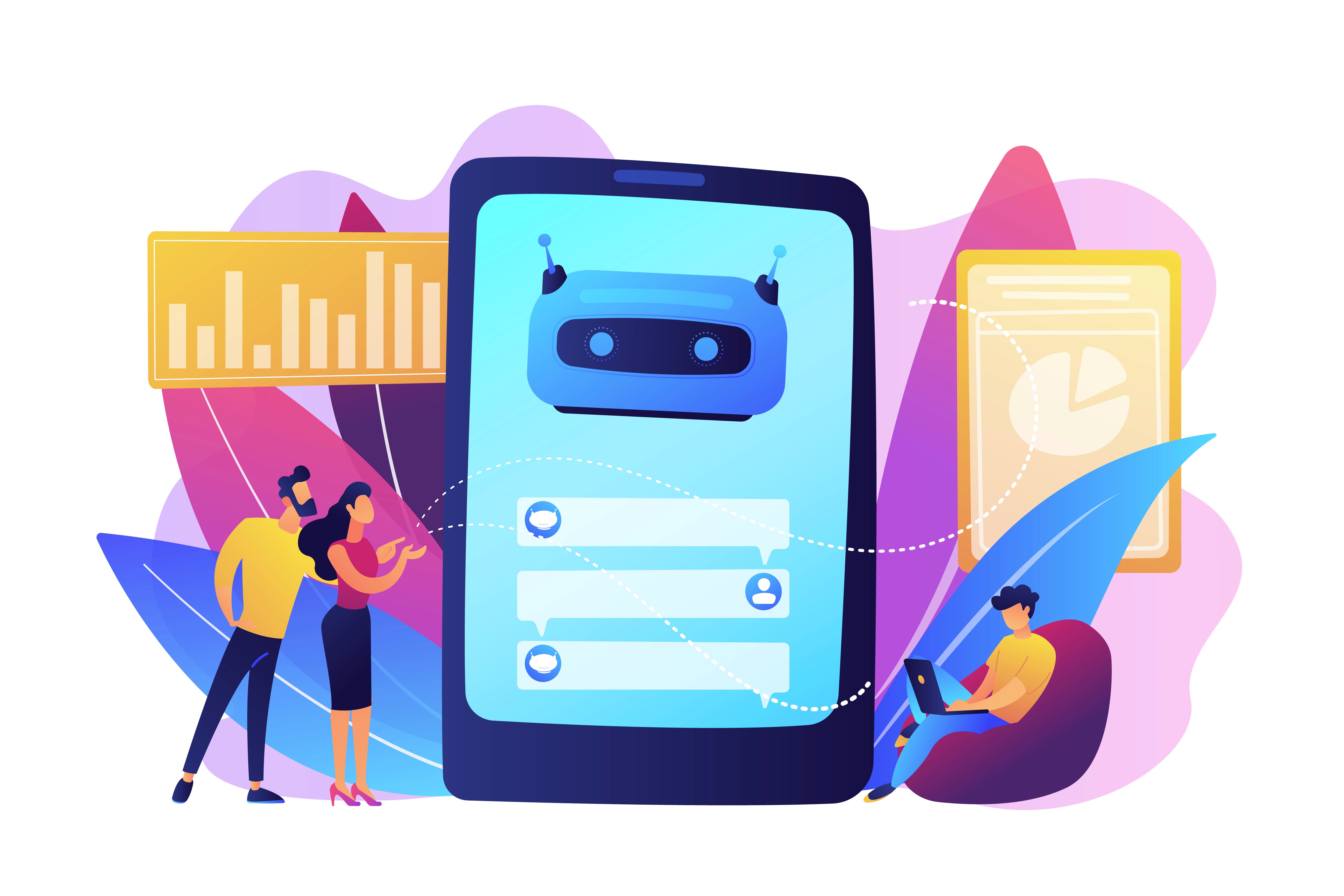
AI
Mar 19, 2026
Best AI Tools for Mobile App Development in 2026: The Complete Guide
Mobile app development has changed faster in the last two years than in the decade before it. This guide covers every major category of AI tool available to mobile developers in 2026, from AI code assistants like GitHub Copilot and Cursor to no-code builders like FlutterFlow and Lovable, with real pricing, honest limitations.
AI
Mar 13, 2026
Top Use Cases of AI Agents in 2026: The Complete Guide
Learn how AI agents are being used in 2026 to automate business processes, enhance customer experience, and increase productivity across different industries.

SEO
Mar 10, 2026
Programmatic SEO: The Complete Guide to Scaling Organic Traffic in 2026
Learn programmatic SEO from basics to advanced strategy. Discover how to build thousands of high-ranking pages at scale, avoid common pitfalls, and drive serious organic growth.
Mobile App Development
Mar 10, 2026
How AI-Powered Mobile App Development Is Changing the Game in 2026
Mobile app development in 2026 has transformed with the rise of artificial intelligence, low-code platforms, cross-platform frameworks, and cloud technologies. Businesses can now build scalable and high-performance mobile applications faster and more cost-effectively than ever before.

AI
Feb 13, 2026
How AI Agents can Automate your Business Operations?
Discover how AI agents are transforming modern businesses by working like digital employees that automate tasks, save time, and boost overall performance.
Tech
Jan 29, 2026
MVP Development for Startups: A Complete Guide to Build, Launch & Scale Faster
Discover how MVP development for startups helps you validate your idea, attract early users, and impress investors in just 90 days. This complete guide walks you through planning, building, and launching a successful MVP with a clear roadmap for growth.

Tech
Jan 13, 2026
Top 10 Enterprise App Development Companies in 2026
Explore the Top 10 Enterprise App Development Company in 2026 with expert insights, company comparisons, key technologies, and tips to choose the best development partner.

AI
Dec 4, 2025
AI Avatars for Marketing: The New Face of Ads
AI avatars for marketing are transforming how brands create content, scale campaigns, and personalize experiences. This deep-dive explains what AI avatars are, real-world brand uses, benefits, risks, and a practical roadmap to test them in your marketing mix.

AI
Nov 21, 2025
How Human-Like AI Voice Agents Are Transforming Customer Support?
Discover how an AI Voice Agent for Customer support is changing the industry. From reducing BPO costs to providing instant answers, learn why the future of service is human-like AI.

AI
Nov 11, 2025
How AI Voice Generators Are Changing Content Creation Forever?
Learn how AI voice tools are helping creators make videos, podcasts, and ads without recording their own voice.

Sep 26, 2025
What Role Does AI Play in Modern SEO Success?
Learn how AI is reshaping SEO in 2025, from smarter keyword research to content built for Google, ChatGPT, and Gemini.

AI
Sep 8, 2025
How Fintech Companies Use RAG to Revolutionize Customer Personalization?
Fintech companies are leveraging Retrieval-Augmented Generation (RAG) to deliver hyper-personalized, secure, and compliant customer experiences in real time.

AI
Aug 28, 2025
How to Use AI Agents to Automate Tasks?
AI agents are transforming the way we work by handling repetitive tasks such as emails, data entry, and customer support. They streamline workflows, improve accuracy, and free up time for more strategic work.

SEO
Aug 22, 2025
How SEO Is Evolving in 2025?
In the era of AI-powered search, traditional SEO is no longer enough. Discover how to evolve your strategy for 2025 and beyond. This guide covers everything from Answer Engine Optimization (AEO) to Generative Engine Optimization (GEO) to help you stay ahead of the curve.

AI
Jul 30, 2025
LangChain vs. LlamaIndex: Which Framework is Better for AI Apps in 2025?
Confused between LangChain and LlamaIndex? This guide breaks down their strengths, differences, and which one to choose for building AI-powered apps in 2025.
AI
Jul 10, 2025
Agentic AI vs LLM vs Generative AI: Understanding the Key Differences
Confused by AI buzzwords? This guide breaks down the difference between AI, Machine Learning, Large Language Models, and Generative AI — and explains how they work together to shape the future of technology.

Tech
Jul 7, 2025
Next.js vs React.js - Choosing a Frontend Framework over Frontend Library for Your Web App
Confused between React and Next.js for your web app? This blog breaks down their key differences, pros and cons, and helps you decide which framework best suits your project’s goals

AI
Jun 28, 2025
Top AI Content Tools for SEO in 2025
This blog covers the top AI content tools for SEO in 2025 — including ChatGPT, Gemini, Jasper, and more. Learn how marketers and agencies use these tools to speed up content creation, improve rankings, and stay ahead in AI-powered search.

Performance Marketing
Apr 15, 2025
Top Performance Marketing Channels to Boost ROI in 2025
In 2025, getting leads isn’t just about running ads—it’s about building a smart, efficient system that takes care of everything from attracting potential customers to converting them.
Tech
Jun 16, 2025
Why Outsource Software Development to India in 2025?
Outsourcing software development to India in 2025 offers businesses a smart way to access top tech talent, reduce costs, and speed up development. Learn why TechTose is the right partner to help you build high-quality software with ease and efficiency.
Digital Marketing
Feb 14, 2025
Latest SEO trends for 2025
Discover the top SEO trends for 2025, including AI-driven search, voice search, video SEO, and more. Learn expert strategies for SEO in 2025 to boost rankings, drive organic traffic, and stay ahead in digital marketing.

AI & Tech
Jan 30, 2025
DeepSeek AI vs. ChatGPT: How DeepSeek Disrupts the Biggest AI Companies
DeepSeek AI’s cost-effective R1 model is challenging OpenAI and Google. This blog compares DeepSeek-R1 and ChatGPT-4o, highlighting their features, pricing, and market impact.
Web Development
Jan 24, 2025
Future of Mobile Applications | Progressive Web Apps (PWAs)
Explore the future of Mobile and Web development. Learn how PWAs combine the speed of native apps with the reach of the web, delivering seamless, high-performance user experiences

DevOps and Infrastructure
Dec 27, 2024
The Power of Serverless Computing
Serverless computing eliminates the need to manage infrastructure by dynamically allocating resources, enabling developers to focus on building applications. It offers scalability, cost-efficiency, and faster time-to-market.
Authentication and Authorization
Dec 11, 2024
Understanding OAuth: Simplifying Secure Authorization
OAuth (Open Authorization) is a protocol that allows secure, third-party access to user data without sharing login credentials. It uses access tokens to grant limited, time-bound permissions to applications.

Web Development
Nov 25, 2024
Clean Code Practices for Frontend Development
This blog explores essential clean code practices for frontend development, focusing on readability, maintainability, and performance. Learn how to write efficient, scalable code for modern web applications
Cloud Computing
Oct 28, 2024
Multitenant Architecture for SaaS Applications: A Comprehensive Guide
Multitenant architecture in SaaS enables multiple users to share one application instance, with isolated data, offering scalability and reduced infrastructure costs.
API
Oct 16, 2024
GraphQL: The API Revolution You Didn’t Know You Need
GraphQL is a flexible API query language that optimizes data retrieval by allowing clients to request exactly what they need in a single request.
Technology
Sep 27, 2024
CSR vs. SSR vs. SSG: Choosing the Right Rendering Strategy for Your Website
CSR offers fast interactions but slower initial loads, SSR provides better SEO and quick first loads with higher server load, while SSG ensures fast loads and great SEO but is less dynamic.

Technology & AI
Sep 18, 2024
Introducing OpenAI O1: A New Era in AI Reasoning
OpenAI O1 is a revolutionary AI model series that enhances reasoning and problem-solving capabilities. This innovation transforms complex task management across various fields, including science and coding.

Tech & Trends
Sep 12, 2024
The Impact of UI/UX Design on Mobile App Retention Rates | TechTose
Mobile app success depends on user retention, not just downloads. At TechTose, we highlight how smart UI/UX design boosts engagement and retention.

Framework
Jul 21, 2024
Server Actions in Next.js 14: A Comprehensive Guide
Server Actions in Next.js 14 streamline server-side logic by allowing it to be executed directly within React components, reducing the need for separate API routes and simplifying data handling.